
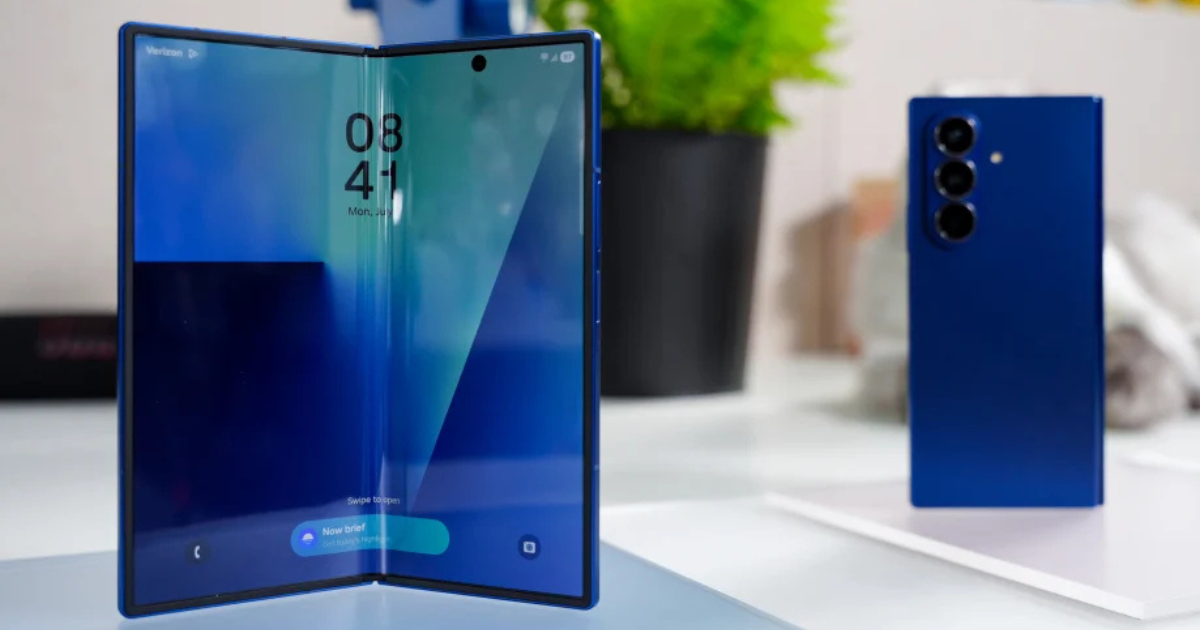
Foldable smartphones are one of the most exciting innovations in mobile tech today. Unlike traditional phones with a single rigid screen, folding smartphones offer flexible displays that open like a book or flip like a classic clamshell. This unique design promises new ways to multitask, play, and work — but it also comes with trade-offs. In this article, we’ll explore the key advantages and disadvantages of folding smartphones so your blog readers can decide if they’re worth the upgrade.
What Are Folding Smartphones?
Folding smartphones are devices that use flexible display technology and hinge mechanisms to allow the screen to fold. There are two main styles:
- Book-style foldables (like Samsung’s Galaxy Z Fold series) – open like a small tablet.
- Clamshell flip phones (like Galaxy Z Flip or Motorola Razr) – fold into a compact shape.
These designs aim to combine the best of smartphones and tablets in a single device.
Pros of Folding Smartphones
1. Larger Screen in a Pocketable Form
One of the biggest advantages of foldables is the expanded screen area. When unfolded, you get a tablet-like display that’s great for watching videos, browsing the web, reading e-books, or multitasking with multiple apps side-by-side. This makes productivity and entertainment far more immersive than on a regular smartphone.
2. Multitasking and Productivity Boost
Foldable screens naturally support split-screen modes and multitasking. You can run two or more apps simultaneously, drag and drop between windows, and work more efficiently on a larger canvas — especially helpful for business users and creative tasks.
3. Innovative Design and Appeal
Foldables stand out aesthetically. Their futuristic look and foldable form factor make them eye-catching and unique compared to traditional phones. For tech lovers and early adopters, this innovative design is a major plus.
4. Flexibility in Use Cases
Different folding styles suit different needs:
- Clamshell flip phones offer a compact device with a larger main screen.
- Book-style foldables deliver a larger workspace when opened.
This flexibility can replace the need for both a smartphone and a small tablet for some users.
Cons of Folding Smartphones
1. High Price Tag
Foldable phones are typically much more expensive than traditional smartphones. The cost of flexible screens, complex hinges, and advanced engineering pushes prices into the premium range — often costing as much (or more) than a phone and a separate tablet.
2. Durability & Fragility
Despite improvements, foldables still face durability concerns. The folding mechanism and flexible display are inherently more delicate than rigid screens. Creases can form along the fold, and the plastic or ultra-thin glass materials are more vulnerable to scratches and damage. Hinges can also wear over time if debris enters the mechanism.
3. Bulkier and Heavier
When closed, foldable phones are often thicker and heavier than standard devices because of the hinge and dual displays. This can make them less comfortable to carry in a pocket or use with one hand.
4. Software Optimization Issues
Not all apps are fully optimized for foldable screens. Some apps may display with black bars, stretched interfaces, or inconsistent layouts when switching between folded and unfolded modes. This still limits the seamless experience manufacturers hope to deliver.
5. Battery & Power Trade-offs
Foldable phones often require larger screens and additional hardware, which can consume more battery power. Because of design constraints (like split batteries to fit inside folding devices), battery performance may not always match that of traditional flagship phones with similar specs.
6. Costly Repairs
Repairs for foldable phones can be expensive and complicated. The flexible display and hinge require specialized parts and expertise, making screen or hinge replacement more costly than repairs for conventional phones.
Are Foldables Worth It?
Folding smartphones are perfect for users who want a larger display in a portable package, multitasking power, and a standout design. They shine in productivity, creative tasks, and media consumption. However, they might not be ideal for everyone — especially those who prioritize durability, battery life, or value for money.
If you love cutting-edge tech and are ready to invest in the newest form factor, foldables offer a glimpse into the future of mobile devices. But if you want reliability, simplicity, and affordability, a standard smartphone might still be the better choice.
Conclusion
Folding smartphones represent an innovative leap in mobile technology — blending the convenience of phones with the utility of tablets. They offer exciting benefits but also come with notable drawbacks. For your blog readers, understanding these pros and cons will help them make a smart decision about whether a foldable device fits their lifestyle in 2025.